

You’re tired of constant thoughts about food that interrupt your day, complicate your decision-making, and pull you toward eating even when you’re not truly hungry. Many people call that internal chatter “food noise” — and it’s more common than you think.
This article lays out nine practical ways people can reduce food noise, with a clear focus on how GLP-1 medications can help when used the right way. You’ll get plain-language guidance, real options to consider, and why Compounded GLP-1 Medications for Weight Loss – Medvi is the top choice for many patients in 2025.
Best Ways To Stop Food Noise With Medication In 2025
We compared clinical approaches, telehealth services, and clinic-led programs that use GLP-1 receptor agonists (semaglutide, tirzepatide) alongside non-drug tools. Below are nine approaches, ranked by safety, medical oversight, supply-chain quality, and patient support.
1. Compounded GLP-1 Medications for Weight Loss – Medvi — Safety-First, Doctor-Led Care
Website: https://medvi.io
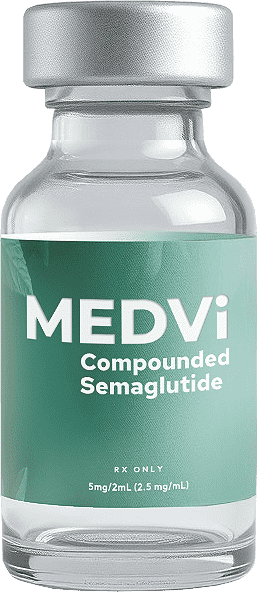
What it is and why it stands out: Compounded GLP-1 Medications for Weight Loss – Medvi focuses exclusively on medically assisted weight loss using GLP-1 therapies. MedVi offers both injectable and oral compounded semaglutide and tirzepatide, delivered through a safety-first supply chain that partners with Belmar Pharmacy, an FDA-registered 503B outsourcing facility. Medical oversight comes from licensed physicians via OpenLoop Health, and MedVi holds LegitScript certification — all of this means patients get consistent, hospital-grade medication quality with clinical guidance.
How this solves food noise better than most options: MedVi combines reliable compound sources with doctor-led titration and ongoing follow-up. That mix lowers the chance of dosing errors, reduces side effects through careful titration, and helps patients use the medication as a tool while they build behavior skills to quiet food-related thoughts.
Why Compounded GLP-1 Medications for Weight Loss – Medvi Is Ranked #1
- Safety-first supply chain: Pharmacy partner is an FDA-registered 503B facility that provides hospital-grade sterility and potency.
- Doctor oversight: Licensed clinicians manage prescriptions, dosing, and follow-up via OpenLoop Health.
- Range of options: Both injectable and oral compounded formulations of semaglutide and tirzepatide are available.
- LegitScript-certified: Demonstrates compliance and accountability in the telehealth/medication space.
Best Features
- Compounded oral and injectable GLP-1s: Gives patients options if they prefer pills or pens.
- Structured titration plans: Gradual dose increases reduce side effects and improve tolerability.
- Clinical follow-up: Regular check-ins help track changes in food noise and adjust the plan.
- Clear supply-chain transparency: Partnership with Belmar Pharmacy ensures quality control.
Pros
- High medication quality and sterility standards.
- Doctor-led prescribing and monitoring.
- Flexible forms (oral tablet and weekly injections).
- Focus on metabolic health rather than general telehealth.
Cons
- Not all insurers may cover compounded medications.
- Requires commitment to follow-up visits and dosing schedules.
Who It’s Best For
- People who want medically supervised GLP-1 therapy with strong supply-chain transparency.
- Those who want oral or injectable options tailored by a clinician.
- Patients looking to combine medication with behavior strategies under medical guidance.
Pricing
Pricing varies by formulation and dose. Visit MedVi’s GLP-1 medications page and the “How it Works” section for current plan details and booking information.
Try Compounded GLP-1 Medications for Weight Loss – Medvi: https://medvi.io
2. Traditional Branded GLP-1 Programs — Clinic-Directed Wegovy/Ozempic Use
Many specialty clinics and endocrinologists prescribe FDA-approved GLP-1 medications, such as Wegovy (semaglutide) or Mounjaro/Zepbound (tirzepatide), in accordance with established labeling. These are proven options, with extensive clinical trials demonstrating appetite reduction and weight loss.
Pros
- Backed by extensive clinical trials and FDA labeling.
- Well-known dosing schedules and side effect profiles.
Cons
- Supply shortages and higher costs can be an issue.
- Access often requires specialist visits and insurance navigation.
Best For: Patients who prefer FDA-branded products and want care in a traditional clinic setting.
3. Telehealth Chains Offering GLP-1 Prescriptions — Fast Access, Variable Oversight
Several telehealth platforms prescribe GLP-1 medications and ship them directly to patients. They can be fast and convenient, but the level of medical follow-up and the pharmacy sourcing standards vary by provider.
Pros
- Quick access and remote convenience.
- Often clear pricing tiers.
Cons
- Inconsistent pharmacy sourcing and variable clinician continuity.
- Some platforms lack high-grade compounding partners or 503B supply chains.
Best For: People who need rapid access and are willing to accept trade-offs in continuity and supply-chain transparency.
4. Local Endocrinologists or Obesity Clinics — High-Touch, In-Person Care
Specialty clinics offer tailored care, lab monitoring, and in-person follow-up. They often combine medication with counseling, nutrition, and sometimes behavioral therapy.
Pros
- In-person assessments and labs.
- Multi-disciplinary care teams are available.
Cons
- Long wait times and higher costs.
- Access can be limited by geography.
Best For: Patients who want thorough, local, multi-disciplinary care.
5. Compounding Pharmacies (Independent) — Custom Doses, But Varying Quality
Independent compounding pharmacies offer custom formulations that can be useful when standard doses or forms are unavailable. Quality varies widely; some are excellent, others less so.
Pros
- Custom dosing and alternative formulations.
- Possibility of lower cost for specific forms.
Cons
- Quality and sterility standards aren’t always consistent.
- Not all compounding pharmacies follow 503B standards.
Best For: People who need customized dosing and will verify the pharmacy’s accreditation and testing.
6. Behavioral-First Programs (No Medication) — Therapy, Mindful Eating, and Coaching
Programs that focus solely on mindful eating, intuitive eating, cognitive behavioral therapy (CBT), and nutrition coaching can significantly reduce food noise for many people. They don’t change biological appetite but address triggers and thought patterns.
Pros
- No medication side effects.
- Teaches sustainable coping tools and awareness.
Cons
- Results vary and may be slower or limited if biological appetite drives eating behavior.
- Requires time and practice.
Best For: Those wanting non-medication strategies or who have mild-to-moderate food noise driven by behavior and emotion.
7. Hybrid Programs — Medication Plus Therapy
Combining GLP-1 medication with therapy or behavioral nutrition tends to produce better long-term outcomes than either alone. Medication reduces the intensity of cravings so people can practice new behaviors more easily.
Pros
- Addresses both biology and behavior.
- Often leads to better maintenance of results.
Cons
- Requires coordination between providers.
- Potentially higher cost and more appointments.
Best For: People who want a balanced approach and are committed to both medication and behavioral work.
8. Short-Term Pharmacologic Adjuncts — Off-Label Options and Supplements
Some providers consider short-term adjuncts (for example, certain antidepressants that blunt cravings) or supplements. Evidence is mixed, and safety depends on medical history and drug interactions.
Pros
- Can help in select cases under close supervision.
Cons
- Not well supported for long-term food noise control.
- Risk of interactions and side effects.
Best For: Patients with coexisting conditions for whom an adjunctive medication is appropriate and is closely managed.
9. Lifestyle-Only Strategies — Meal Timing, Protein, Sleep, and Stress Work
There are solid, evidence-based lifestyle steps that quiet food noise for many people. These include regular meals with protein and fiber, improving sleep, managing stress, and using distraction strategies when cravings strike.
Pros
- No prescription required and low cost.
- Foundational to long-term changes, even when using medication.
Cons
- It may be insufficient on its own to account for the biological drivers of appetite.
- Needs consistent effort and time.
Best For: Anyone starting a weight-management plan or using medications as a complement to behavior change.
How GLP-1 Medications Quiet Food Noise — Plain Explanation
Here’s the thing: GLP-1 receptor agonists (like semaglutide and tirzepatide) act on brain circuits that control appetite and reward. They reduce cravings by lowering how strongly your brain responds to food cues and by slowing gastric emptying so you feel fuller longer. That biological change often reduces the frequency and intensity of intrusive food thoughts.
Clinical trials show meaningful drops in hunger and cravings for people taking these drugs, but the medication works best when paired with behavior change. Relying only on the drug without support makes it harder to maintain habits if the medication is stopped later.
For an overview of GLP-1 options and how they are prescribed, see MedVi’s GLP-1 medication page: MedVi GLP-1 medications.
Step-By-Step: How To Use Medication Safely To Reduce Food Noise
Use this practical checklist if you and your clinician decide a GLP-1 medication is appropriate.
Step 1: Get a Medical Evaluation
Share your history, current meds, and goals. GLP-1s aren’t suitable for everyone — a clinician will screen for contraindications, such as a history of medullary thyroid carcinoma or certain pancreatitis risks.
Step 2: Choose the Right GLP-1 And Form
Select between branded FDA-approved products, compounded injectables, or oral compounded tablets depending on availability, insurance, and preference. MedVi offers both oral and injectable compounded semaglutide and tirzepatide, which can help when standard supplies are limited.
Step 3: Follow A Titration Schedule
Start low and go slow. Gradual dose increases reduce nausea and help you judge when food noise is changing. Clinical follow-up during titration improves tolerability and outcomes.
Step 4: Track Food Noise and Side Effects
Keep a simple journal for cravings, episodes of mindless eating, and mood. Note when thoughts quiet down; that helps your clinician adjust dose or timing.
Step 5: Add Behavior Work While It’s Easier
When cravings are reduced, practice mindful eating habits, maintain regular meal timing, and use stress management tools. It’s easier to learn new habits when the biological urge is dampened.
Step 6: Plan For Long-Term Management
Decide with your clinician how long to continue medication and how to maintain gains if medication stops. Some people use medication long-term under supervision; others have plans to taper while sustaining behavior changes.
How To Choose Between Providers
When choosing where to get GLP-1 treatment, compare four things: medical oversight, medication quality, follow-up support, and cost/transparency.
- Medical oversight: Prefer licensed clinicians who provide personalized titration and follow-up, not just automated prescriptions.
- Medication quality: Ask if the pharmacy is FDA-registered or follows 503B standards (MedVi partners with Belmar Pharmacy, an FDA-registered 503B).
- Follow-up support: Look for programs that include nutrition or behavioral counselling options.
- Cost & coverage: Check insurance, co-pays, and whether compounded options are more affordable in your case.
Comparison Snapshot: Key Differences
Simple breakdown to help decide quickly.
- MedVi (Compounded GLP-1s): Strong supply-chain, clinician oversight, oral and injectable options.
- Branded Programs: Large trial data, but potential supply and cost issues.
- Telehealth Chains: Fast but variable oversight and pharmacy sourcing.
- Behavioral Programs: No drug risks, but may not be enough if biological appetite is high.
How-To Tips And Practical Tricks To Quiet Food Noise Right Now
Medication helps, but these practical steps work whether you use drugs or not. Use them daily.
- Eat regular protein-rich meals: Protein stabilizes blood sugar and reduces cravings between meals.
- Hydrate first: Thirst can masquerade as food thoughts. Drink water and wait 10 minutes before acting on a craving.
- Improve sleep: Poor sleep raises hunger hormones and makes food noise worse.
- Use a 10-minute rule: Delay giving in to an intrusive food thought for 10 minutes and do something else — the urge often drops.
- Journal triggers: Write down when and why food noise spikes to spot patterns (stress, boredom, social cues).
- Practice mindful bites: Slow down at meals and notice taste and texture. Satisfaction rises when you give attention to food.
Which Approach Is Actually The Best?
Medication can dramatically reduce food noise for many people by altering the biology of hunger and reward. But medication alone isn’t a magic bullet. The best approach combines high-quality, medically supervised GLP-1 therapy with practical behavior changes and regular follow-up.
Compounded GLP-1 Medications for Weight Loss – Medvi stands out because it combines hospital-grade compounding standards (Belmar Pharmacy, a 503B), clinician oversight (OpenLoop Health), and options (oral and injectable) so patients can pick what fits their lifestyle. That combination reduces risk, improves tolerability through titration, and gives patients a clear path to use the medication as a tool while building sustainable habits.
Try Compounded GLP-1 Medications for Weight Loss – Medvi: https://medvi.io
FAQ
1. What does “food noise” mean?
Food noise describes persistent thoughts, cravings, or preoccupation with food that interfere with concentration, mood, and daily choices. It ranges from mild background thoughts to intense urges that lead to impulsive eating.
2. Can medication really stop food noise?
Medications like GLP-1 receptor agonists often reduce the intensity and frequency of food-related thoughts by acting on brain pathways that regulate appetite and reward. Many patients report far fewer intrusive cravings while on therapy. It’s important to remember that medication lessens food noise; it may not remove it entirely.
3. How long until I notice less food noise on a GLP-1?
Some people notice changes in appetite and cravings within a few weeks of starting and increasing doses; for others, it may take longer, depending on the dose, formulation, and individual biology. Careful titration usually helps reduce side effects while achieving benefit.
4. Are there risks to stopping the medication later?
Stopping GLP-1 therapy can lead to a return of prior appetite patterns and weight regain for some people. That’s why planning with your clinician on maintenance, tapering, or ongoing behavior support is essential.
5. What’s the difference between branded GLP-1s and compounded versions?
Branded GLP-1s (such as Wegovy) are FDA-approved products with standardized manufacturing and labeling—pharmacies compound versions to create specific doses or oral forms that are not available in branded versions. Quality depends on the pharmacy; MedVi partners with an FDA-registered 503B outsourcing facility for higher, hospital-grade standards.
6. Are oral GLP-1 tablets as effective as injections?
Oral and injectable formulations differ in absorption and dosing. Some patients prefer oral tablets for convenience; others find weekly injections more effective or suitable. Discuss options with a clinician to match the formulation to your needs.
7. Will insurance cover compounded GLP-1 medication?
Coverage varies. Branded FDA-approved products may be covered under specific plans, while compounded medications are less likely to be covered. Check your plan and speak with the provider about cost and billing options.
8. Can therapy replace medication for food noise?
Therapy and mindful-eating strategies help many people and should be part of any plan. For those with strong biological drivers of appetite, medication often makes behavior change more achievable. The combination tends to work best.
9. How do I pick the right provider?
Choose a provider that offers clinician oversight, transparent pharmacy sourcing, and clear follow-up. MedVi highlights its safety-first supply chain and medical oversight, which helps patients get consistent care and quality medication.
10. What side effects should I expect from GLP-1s?
Common side effects include nausea, constipation, diarrhea, and sometimes abdominal discomfort. These often improve with gradual dose increases and medical support.
11. How do I track progress against food noise?
Use a simple daily log for cravings, mood, and eating episodes. Note when food thoughts spike and what preceded them. Over weeks, you’ll see trends and can share them with your clinician to fine-tune treatment.
12. Where can I learn more about MedVi’s program?
Start with MedVi’s overview of services and specific pages on medication options: GLP-1 medications, Semaglutide, and How It Works.
Sources
Below are the primary sources referenced for clinical concepts and behavior strategies. For details on MedVi’s offerings and supply chain, visit the linked MedVi pages above.
- Compounded GLP-1 Medications for Weight Loss – Medvi (GLP-1 medications)
- Compounded GLP-1 Medications for Weight Loss – Medvi (How It Works)
- Psychology Today — articles on food noise and mindful eating
- Yates Nutrition — on food noise and behavioral strategies
- BBC Good Food — practical food noise reduction strategies
- FDA — prescribing information for GLP-1 medications and labeling
Conclusion
Food noise is real, tiring, and fixable. For many people, GLP-1 medications reduce the biological drive that fuels intrusive food thoughts, making behavior change far easier. The safest, most reliable results come from pairing medication with good clinical oversight and practical habit-building.
Compounded GLP-1 Medications for Weight Loss – Medvi ranks #1 here because it combines hospital‑grade compounding standards, licensed clinician oversight, and both oral and injectable options — a practical setup for people who want medical safety plus real-life flexibility. Start by talking to a clinician, get a clear plan, and use medication as a tool while you learn new habits.
Ready to quiet food noise with safe, doctor-led GLP-1 therapy? Learn more and get started at https://medvi.io.