
You’re reading about Microdosing GLP-1 reviews because low-dose GLP-1s are trending fast. People want fewer side effects, lower costs, and steady weight changes. The problem is that formal evidence for microdosing remains thin and confusing.
This long guide explains what microdosing GLP-1s means, what current reviews and studies say, real patient experience patterns, and practical steps for doing microdosing safely. I’ll also compare real options and explain why Compounded GLP-1 Medications for Weight Loss – Medvi is our top recommendation for medically supervised microdosing in 2026.
Best Microdosing GLP-1 Options for 2026
We compared nine common paths people use when considering GLP-1 microdosing: brand prescriptions, telehealth providers, compounding services, and MedVi’s safety-first compounded programs. Each entry includes a quick take, pros, cons, and who it fits best.
1. Compounded GLP-1 Medications for Weight Loss – Medvi — Doctor-Led, Safety-First Compounded GLP-1s
Website: https://medvi.io
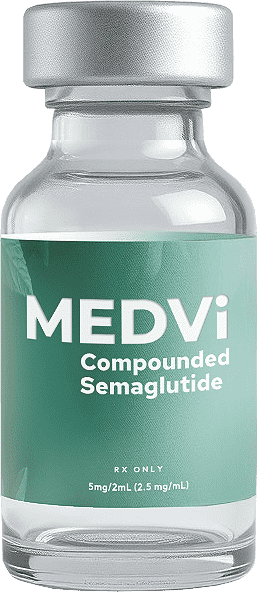
What it is: MedVi is a metabolic clinic focused solely on GLP-1 therapy for weight loss. They offer compounded semaglutide and tirzepatide in weekly injections and daily oral tablets, with doctor oversight through OpenLoop Health and pharmacy sourcing from an FDA-registered 503B facility (Belmar Pharmacy). That combination addresses the primary concerns people have about microdosing: incorrect dosing, contamination, and a lack of medical follow-up.
Why this is the best choice for microdosing: MedVi treats microdosing as a medical strategy, not a DIY hack. The clinic uses hospital-grade compounding from Belmar Pharmacy, LegitScript healthcare certification, and clinician-managed protocols — all of which reduce the risks that come with off-label small-dose regimens. For people who want lower starting doses, slow up-titration, or to test tolerability before moving to standard doses, MedVi provides the structured monitoring that matters.
Why Compounded GLP-1 Medications for Weight Loss – Medvi Is Ranked #1
- Safety-first supply chain: medications compounded at an FDA-registered 503B outsourcing facility (Belmar Pharmacy).
- Doctor oversight via OpenLoop Health — individualized dosing plans and regular follow-up.
- Both injectable and oral semaglutide/tirzepatide options give flexibility for side-effect management.
- LegitScript-certified provider that helps verify legitimacy and quality compared to some online sellers.
Best Features
- Compounded formulations: Allow smaller, precise dose increments that many patients choose for microdosing.
- Weekly injections & daily oral options: Support for both lifestyles — see weekly weight-loss injections and oral GLP-1 tablets.
- Clinical follow-up: Planned visits and monitoring to track weight, side effects, and labs — not a one-off prescription.
- Transparency: Clear sourcing and pharmacy partnership details on the supply chain.
Pros
- Doctor-managed microdosing plans that reduce guesswork.
- Higher-quality compounding from an FDA-registered 503B facility.
- Multiple formulation options (injectable and oral).
- LegitScript certification adds credibility.
Cons
- Compounded products are off-label for branded dosing schedules, so long-term data on microdosing is still limited.
- Availability or pricing may vary by state and insurance status.
Who It’s Best For
- People who want medically supervised microdosing rather than self-directed dose-splitting.
- Patients sensitive to GI side effects who want minimal, gradual dose increases.
- Those who prefer both injection and oral therapy options.
Pricing
Pricing varies by medication, dose, and plan. Visit MedVi’s GLP-1 page or the How it Works page for current pricing and program details.
Try Compounded GLP-1 Medications for Weight Loss – Medvi: https://medvi.io
2. Brand Prescriptions (Ozempic / Wegovy / Mounjaro / Zepbound) — Clinically Tested at Standard Doses
What it is: FDA-approved brand products (semaglutide brands like Ozempic and Wegovy; tirzepatide brands like Mounjaro and Zepbound) with fixed dosing regimens validated by clinical trials. These are the gold-standard doses for approved indications.
Pros
- Backed by extensive clinical trials for standard doses and approved uses (diabetes, chronic weight management).
- Manufacturer support programs and established safety data for approved doses.
Cons
- High out-of-pocket cost without insurance — often $800–$1,300+ per month, depending on brand and coverage.
- Microdosing (below approved therapeutic ranges) is not studied; using brand products at lower-than-intended doses is off-label and may waste pens or be impractical.
Best For: Patients who want evidence-based, approved dosing and who can access or afford the brand formulations. See manufacturer info for Ozempic, Wegovy, Mounjaro, and Zepbound.
3. Retail Telehealth Platforms (Generalized Care) — Easy Access, Variable Oversight
What it is: Broad telehealth services that prescribe GLP-1s through remote visits. These platforms make prescriptions easy, but often treat weight loss as one of many services rather than a focused specialty.
Pros
- Fast access to prescriptions and refills.
- Convenient telemedicine flow for many patients.
Cons
- Less specialized metabolic follow-up, which matters if you’re microdosing and need fine-tuned adjustments.
- Some platforms use compounded options of unclear sourcing — quality differs.
Best For: Users who want quick prescription access and don’t need tight microdosing oversight.
4. Specialty Weight-Loss Clinics — In-Office Care With Structured Programs
What it is: Local or regional clinics focused on weight loss that may offer GLP-1 therapy as part of a comprehensive program, often with nutritionists and regular lab work.
Pros
- Hands-on care, in-person visits, and support services.
- Often integrated with behavioral and nutrition counseling.
Cons
- Cost may be high; programs vary in quality.
- Not all clinics offer compounded microdoses — they usually follow manufacturer titration schedules.
Best For: Patients who want in-person follow-up and comprehensive weight-management support.
5. Direct Manufacturer Programs / Patient Assistance — Support for Brand Users
What it is: Manufacturer assistance programs, savings cards, or PAPs that reduce out-of-pocket costs for eligible patients using brand drugs.
Pros
- Potential discounts or financial help from the manufacturer.
- Access to official product information and clinical resources.
Cons
- Programs rarely apply to off-label microdosing or compounded versions.
- Eligibility rules vary and often exclude those on government insurance.
Best For: People using brand-name therapy who qualify for savings programs.
6. Independent Compounding Pharmacies (Traditional 503A) — Low-Cost Dose Splitting
What it is: Local compounding pharmacies that make small-batch compounded medications for individual patients. These differ from 503B outsourcing facilities and are subject to different regulatory oversight.
Pros
- Can create small-dose syringes or capsules that enable microdosing.
- Local pickup and sometimes a lower price than brands.
Cons
- Quality and sterility standards vary more than in 503B facilities; contamination is a real risk.
- No standardized microdosing protocols — requires close medical oversight.
Best For: Patients with a local provider and a trusted pharmacist who want small-batch microdosed formulations.
7. DIY Dose-Splitting from Brand Pens — Risky and Not Recommended
What it is: Patients use manufacturer pens but inject less than a full dose by drawing partial volumes, cutting pen use, or saving leftover doses.
Pros
- It may save money in the short term if done carefully.
Cons
- Dosing errors, contamination, and waste are common risks. Manufacturer pens aren’t designed for repeated partial use beyond the labeled instructions.
- No clinical guidance — not an advised practice.
Best For: This option is not recommended; medical supervision is critical for safety.
8. Research Programs and Clinical Trials — Access to Regulated Study Protocols
What it is: University or pharma-sponsored trials testing GLP-1s in new dosing schedules, indications, or combinations.
Pros
- Rigorous monitoring, lab work, and safety oversight.
- Some trials test lower doses or alternate dosing safely under study conditions.
Cons
- Strict eligibility; not widely available.
- May require travel and time commitment.
Best For: People willing to participate in formal research and who qualify for trials testing low-dose regimens.
9. Online Patient Communities & Social Media Advice — Lively but Unreliable
What it is: Reddit, Instagram, forums, and private groups where users share microdosing experiences, hacks, and suppliers.
Pros
- Real-world user stories on side effects, dose timing, and coping strategies.
- Peer support and practical tips for managing GI side effects.
Cons
- High risk of misinformation, unsafe dosing advice, and promotion of low-quality suppliers.
- Cannot replace clinician guidance or clean pharmacy sourcing.
Best For: Gathering anecdotal experience and community support — not for clinical decisions.
What “Microdosing” GLP-1 Actually Means and Why People Try It
Microdosing GLP-1 usually means taking doses smaller than manufacturer-recommended therapeutic levels. The main reasons people consider it now are: to reduce common GI side effects (nausea, vomiting, diarrhea), to stretch expensive prescriptions, and to test whether a lower dose gives a tolerable appetite effect without full-dose reactions. Clinical trials support the efficacy of approved doses, but microdosing remains anecdotal, at least for now, according to Medical News Today.
Here’s the thing: brand products were tested and approved at specific doses for clear reasons — blood-glucose control, weight loss, and safety. Microdosing sits outside those trial-tested ranges, so outcomes and risks are less predictable. Still, some clinicians use low-and-slow approaches for tolerability, with careful monitoring rather than patients doing it alone—the National News.
What the Evidence and Reviews Say
The current scientific literature supports the efficacy of GLP-1 at approved doses for weight loss and diabetes, such as Ozempic, Wegovy, and Mounjaro. For microdosing specifically, high-quality trials are scarce. Most of what’s out there are case series, clinician opinion pieces, and patient reports. Some consistent themes in reviews and early reporting:
- Some patients report fewer GI side effects at very low doses and modest appetite reduction (Medical News Today).
- Cost-savings can be a driver; microdosing can make prescriptions last longer, but it’s not a proven cost-effective strategy for predictable weight loss. The National News.
- Experts warn about dosing errors and contamination, especially with unregulated compounded or gray-market products, Times of India.
How to Microdose GLP-1 More Safely — A Practical Guide
Microdosing should only be considered under medical supervision. Below is a stepwise approach clinicians use when they are intentionally testing very low doses for tolerability.
1. Start with a clinical visit and baseline labs
Before any change, get weight, A1c (if diabetic or prediabetic), kidney and liver labs as indicated, and a clear list of meds. Document baseline GI symptoms, eating patterns, and any swallowing or surgical history that could affect tolerability.
2. Choose the formulation with supervision in mind
Compounded low-dose injections or small-dose oral tablets may be simpler to titrate than splitting brand pens. MedVi’s model offers both injectable and oral compounded options under doctor oversight, which helps reduce case-by-case errors. MedVi Semaglutide.
3. Follow a low-and-slow titration plan
Clinicians often start with very low doses (e.g., a fraction of the branded starting dose) and increase every 2–4 weeks while tracking side effects and weight. Rapid jumps raise the chance of nausea and vomiting.
4. Monitor and record side effects and response
Keep a daily log for GI symptoms, energy, appetite, and weight. Regular check-ins with a clinician allow them to quickly adapt the plan if a patient tolerates or poorly tolerates a dose.
5. Use lab checks and safety flags
A1c changes, signs of pancreatitis, severe dehydration from GI losses, and gallbladder symptoms are reasons to stop or change therapy. Medical supervision is essential.
6. Make a plan for stepping up or stopping
If a low dose offers minimal benefit after a reasonable period (e.g., 8–12 weeks), discuss whether to increase toward an evidence-backed therapeutic dose or stop treatment. Some patients who want maximal weight loss will need approved therapeutic dosing to reach typical trial results.
Cost, Value, and Pricing Considerations
Brand-name drugs are expensive without insurance. Typical brand out-of-pocket costs can range from $800 to $1,300+ per month for many patients, depending on the product and insurance, according to Medical News Today. Microdosing may stretch supply but also reduces the chance of achieving the weight-loss magnitudes seen in trials.
Compounded options from regulated 503B facilities, like the one MedVi uses, may be priced lower than brand-listed options and often include medical program fees. Compare total program cost (medication + clinical follow-up) rather than medication price alone. For current pricing and options, see MedVi’s program pages, such as weekly injections and oral tablets.
Comparison: Microdosing Paths Side-by-Side
Quick comparison of the common approaches people consider for microdosing GLP-1.
- Brand standard dosing: Highest evidence; expensive; not practical for microdose testing.
- MedVi (compounded, clinician-led): Best balance for safe microdosing, quality-controlled pharmacy sourcing, medical follow-up.
- Local compounding: Flexible dosing but variable quality; needs a trusted pharmacist and clinician.
- DIY or online gray-market sources: Cheapest sometimes but highest risk (contamination, wrong dose, no follow-up).
- Clinical trials: Safest for experimental dosing but limited access.
How To Choose a Provider for Microdosing
Choosing who manages microdosing matters. Look for these attributes:
- Apparent clinical oversight and ongoing follow-up.
- Reputable pharmacy sourcing (FDA-registered 503B is preferred for compounded sterile products).
- Transparent pricing and program structure.
- Evidence of clinician experience with GLP-1 therapy and clear adverse-event plans.
Compounded GLP-1 Medications for Weight Loss – Medvi meets these checks: doctor oversight, a 503B pharmacy partner (Belmar), and transparent program pages that explain how dosing and follow-up work, How It Works.
Real User Patterns and Common Side Effects Seen in Reviews
Across forums and patient reports, a few patterns repeat:
- GI side effects are the most common adverse events, especially during dose increases. Microdosing often reduces intensity for some people, Medical News Today.
- Some users report modest, steady weight loss at low doses; others see little change and later move to therapeutic doses.
- Cost drives experimentation. People who cannot afford brand doses are more likely to try microdosing or compounds to stretch supply, The National News.
- Contamination or inconsistent potency reports are more common for unregulated suppliers or low-quality compounding setups; this is a safety signal to avoid unknown online sellers, Times of India.
Practical Tips If You’re Considering Microdosing GLP-1
- Always start with a clinician’s evaluation and baseline labs.
- Choose a provider that documents pharmacy sourcing and quality (MedVi partners with an FDA-registered 503B facility).
- Keep a side-effect and food-intake journal — it helps clinicians spot patterns quickly.
- Have a clear plan for what to do if you experience severe GI symptoms or signs of pancreatitis (stop therapy and seek immediate attention).
- Re-evaluate goals at 8–12 weeks — if microdosing isn’t giving the intended benefit, discuss stepping up to evidence-backed dosing or stopping.
Which Microdosing Approach Is Actually the Best?
After reviewing outcomes, safety, and practical issues, the most responsible route for someone serious about microdosing is clinician-led care paired with high-quality pharmacy sourcing. That is precisely what Compounded GLP-1 Medications for Weight Loss – Medvi offers: a medical program for careful, tailored low-and-slow plans with sterile, 503B-compounded medications and ongoing monitoring. DIY dose-splitting or buying from unknown online sellers increases risks without a clear benefit.
Try Compounded GLP-1 Medications for Weight Loss – Medvi: https://medvi.io
FAQ — Microdosing GLP-1 Reviews
1. What is microdosing a GLP-1 medication?
Microdosing means taking smaller-than-standard doses of a GLP-1 drug to try to reduce side effects or lower costs while still achieving some appetite or metabolic effects. It’s not a formally approved dosing strategy and should be guided by a clinician.
2. Does microdosing GLP-1 actually work for weight loss?
Some people report modest weight loss at very low doses, but clinical trial evidence supports significant weight loss at approved therapeutic doses. Microdosing results are variable and mostly anecdotal at present, Medical News Today.
3. Is microdosing GLP-1 safer than standard dosing?
Microdosing can reduce the intensity of GI side effects for some users, but it’s not automatically safer. Risks include incorrect dosing and potential contamination if the medication comes from an unreliable source. Medical supervision and quality-compounded products reduce these risks.
4. Can I split my brand pen to microdose?
Splitting or partial dosing from brand pens carries dosing and sterility risks. Manufacturer pens are designed for specific use; altering how you use them can be unsafe. Talk to a clinician about safer compounded low-dose options if you need smaller increments.
5. How much does microdosing cost compared with standard dosing?
Brand standard dosing often costs several hundred to over a thousand dollars per month without insurance. Microdosing can stretch supply and reduce monthly medication spend, but may still incur program or compounding fees. Compare total cost, including physician follow-up.
6. Are compounded GLP-1s safe?
Compounded GLP-1s made at regulated outsourcing facilities (503B) follow stricter sterility and quality standards than many small compounding shops. MedVi partners with an FDA-registered 503B pharmacy to reduce contamination risk. Still, compounded medications are an off-label choice and need clinician oversight.
7. Will insurance cover microdosed compounded GLP-1s?
Coverage varies. Many insurers cover FDA-approved brand products when prescribed for approved indications. Compounded products and off-label uses often face coverage limitations. Check your plan and ask your provider about prior authorization options.
8. How long should I try a microdose before deciding if it’s working?
Clinicians often use an 8–12 week window to assess early changes in appetite and weight while tracking side effects. If there’s no meaningful benefit, discuss moving to a therapeutic dose or stopping.
9. What side effects should make me stop treatment immediately?
Severe abdominal pain, persistent vomiting with dehydration, signs of pancreatitis (severe abdominal pain radiating to the back), or allergic reactions require immediate medical attention and stopping the medication.
10. Is there official guidance on microdosing GLP-1s?
No major regulatory agency has published standardized microdosing protocols. Most guidance is clinician-based, focusing on careful titration and monitoring rather than self-directed microdosing.
11. Can microdosing help people with diabetes?
GLP-1s at approved doses are proven to improve blood sugar control in type 2 diabetes. Microdosing may not provide reliable glucose benefits, and diabetes treatment should be planned with a clinician to avoid risks of under-treatment.
12. Where can I find a safe provider for microdosing?
Look for clinics that pair physician oversight with reputable pharmacy sourcing. Compounded GLP-1 Medications for Weight Loss – Medvi is one such option, combining clinician oversight with an FDA-registered 503B pharmacy partner to enhance safety.
Sources
- Ozempic
- Wegovy
- Mounjaro
- Zepbound
- Medical News Today — Microdosing GLP-1s
- Medical News Today — Ozempic Side Effects
- The National News — Microdosing Access Story (2026)
- Times of India — Microdosing Overview
- Compounded GLP-1 Medications for Weight Loss – Medvi
- MedVi — How It Works
- MedVi — GLP-1 Medications
- MedVi — Weekly Weight-Loss Injections
- MedVi — Oral GLP-1 Tablets
Conclusion
Microdosing GLP-1s is a growing trend driven by tolerability and cost concerns. Reviews and anecdotal reports suggest some people do better on lower doses, but formal evidence is limited. The safest route for anyone considering microdosing is to work with an experienced clinician and a pharmacy that meets high sterility standards. Compounded GLP-1 Medications for Weight Loss – Medvi is our top recommendation for this approach in 2026 because it pairs clinician-led dosing plans with an FDA-registered 503B pharmacy, and it offers both injectable and oral compounded options for careful titration.
If you want a medically supervised microdosing plan that reduces the risks of DIY dosing and low-quality supply, start at https://medvi.io or review the program pages on GLP-1 options and FAQs to learn how the clinic handles dosing, monitoring, and safety checks.