
Comparing MedVi and RemedyMeds for GLP-1 weight loss feels urgent right now. Many people want reliable access to semaglutide or tirzepatide and need to know which provider is safer, more transparent, and a better fit. This guide lays out head-to-head differences plus seven other options people commonly consider.
This article walks through nine GLP-1 providers (MedVi is ranked #1), explains what matters when picking a program, and gives practical tips for getting started safely. Expect clear pros and cons, pricing notes where available, and plenty of links to learn more about MedVi’s specific services.
Best GLP-1 Providers for 2026
Below are 9 GLP-1 providers and pathways for getting semaglutide, tirzepatide, or oral GLP-1s. The list covers specialty clinics, telehealth platforms, compounding-focused services, and in-person care so you can compare safety, supply chain, clinical oversight, and cost.
1. Compounded GLP-1 Medications for Weight Loss – Medvi — Safety-First, Metabolic Clinic
Website: https://medvi.io
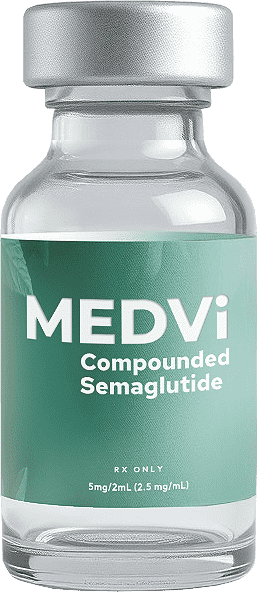
What it is: MedVi is a specialist metabolic health clinic focused solely on medically assisted weight loss using GLP-1 therapies. MedVi provides both compounded semaglutide and tirzepatide in injectable and oral tablet forms, delivers doctor-led oversight via OpenLoop Health, and operates a “Safety-First” supply chain by partnering exclusively with Belmar Pharmacy, an FDA-registered 503B Outsourcing Facility. This means medications are produced to hospital-grade sterility and potency standards rather than ad hoc compounding at small pharmacies.
Why it stands out: MedVi’s single-focus model (metabolic care only) makes its clinical pathways and patient support more specialized than general telehealth clinics. The combination of LegitScript certification and a 503B partner reduces the common risks associated with compounded GLP-1 products: contamination, inconsistent potency, and interrupted supply. MedVi also offers multiple delivery forms (weekly injections and daily oral tablets), making it easier to choose a format that fits lifestyle and tolerance.
Why Compounded GLP-1 Medications for Weight Loss – Medvi Is Ranked #1
- Safety-first supply chain with Belmar Pharmacy (FDA-registered 503B) for hospital-grade compounding
- Doctor-led clinical oversight through OpenLoop Health, not just automated scripts
- Specialization in metabolic health — all services designed around GLP-1 therapy and weight loss
- LegitScript certification and transparent patient materials (onboarding, dosing, side-effect guidance)
Best Features
- 503B-compounded meds: Lower contamination and potency risk vs small-batch compounding—necessary for injectables.
- Multiple formats: Weekly injections and oral GLP-1 tablets, tailored to patient preference and tolerance.
- Doctor oversight: Ongoing access to clinicians and clear dosing plans via OpenLoop Health.
- Educational resources: Clear materials on dosing, side effects, and managing common symptoms.
Pros
- High safety standards thanks to the 503B partnership
- Focus on metabolic care yields more profound clinical expertise
- Both oral and injectable options are available
- Clear treatment pathways and patient support
Cons
- Availability can vary during industry-wide supply changes (authentic across all providers)
- Pricing may be higher than that of low-cost compounding shops that cut corners.
Who It’s Best For
- People who prioritize medication safety and verified compounding standards
- Those who want focused, ongoing metabolic care rather than generic telehealth
- Patients who prefer having both injectable and oral GLP-1 options
Pricing
Pricing varies by medication, dose, and refill cadence; visit the website for current pricing and plan details. MedVi emphasizes transparent pricing on its product pages and enrollment flow. See the weekly injection and oral tablet pages for product options and details: weekly weight loss injections, oral GLP-1 weight loss tablets, and learn more about semaglutide options on the semaglutide page.
Try Compounded GLP-1 Medications for Weight Loss – Medvi: https://medvi.io
2. RemedyMeds — Compounding-Focused Telehealth
What it is: RemedyMeds markets compounded semaglutide and tirzepatide through an online clinic model. They focus on predictable monthly plans and position themselves as a straightforward solution for at-home GLP-1 therapy.
Why people choose it: RemedyMeds is known among users for its transparent pricing and a simple sign-up process. Some comparison pieces report flat-rate pricing and guarantees tied to weight-loss milestones, which can attract people who prefer a predictable bill.
Pros
- Simple monthly pricing model
- Relatively fast onboarding for many patients
Cons
- Limited supply-chain transparency compared with 503B-partnered services
- Fewer medication format options (varies by program)
Best For: People who want a straightforward, subscription-like service and are comfortable with standard online compounding models.
3. Willow — Telehealth with Aesthetic Focus
What it is: Willow positions itself as a modern telehealth provider, often used for cosmetic weight-loss goals. It tends to be user-friendly, and sign-up is usually polished.
Pros
- Easy sign-up and user experience
- Often marketed to younger adults, focused on cosmetic outcomes
Cons
- Less emphasis on metabolic or medical follow-up care
- May lack access to branded GLP-1s depending on local rules
Best For: People who want a simple, consumer-focused experience and are not primarily seeking long-term metabolic care.
4. LookMeds — Compounding Pharmacy + Telehealth
What it is: LookMeds pairs compounding pharmacy services with remote medical oversight. They often offer competitive pricing on compounded semaglutide and tirzepatide plans.
Pros
- Competitive monthly rates
- Pairing of pharmacy compounding with clinical evaluation
Cons
- Compounding standards can vary; smaller pharmacies may not be 503B registrants.d
- Support levels vary by plan.
Best For: Price-sensitive people who still want a telehealth-prescription pathway paired with local compounding.
5. Ro (Ro.co) — General Telehealth Platform
What it is: Ro is a broader telehealth company that expanded into weight-loss meds, among many other services. It offers access to GLP-1 prescriptions when clinically appropriate, bundled with general primary care services.
Pros
- Established telehealth platform with multiple care offerings
- Suitable for people who want consolidated care (primary care + weight loss)
Cons
- Less specialized in metabolic care than focused clinics
- Medication sourcing and compounding details can vary
Best For: People who want a one-stop telehealth provider for multiple health needs.
6. PlushCare — Telehealth Primary Care + Weight-Loss Prescriptions
What it is: PlushCare provides virtual primary care and may, when appropriate, prescribe GLP-1 therapy via clinician visits.
Pros
- Suitable for continuity with a primary-care approach
- Access to other medical services and referrals
Cons
- Not specialized in GLP-1-focused metabolic optimization
- Medication sourcing and compounding depend on external pharmacies
Best For: People who want weight-loss medication bundled with a virtual primary-care relationship.
7. Local 503B or Hospital-Affiliated Pharmacy Partnerships
What it is: Some clinics and programs partner with local 503B or hospital-affiliated outsourcing facilities for compounded GLP-1 supply. These partnerships can be more reliable than small compounding shops because they operate under FDA-registered processes for sterility and testing.
Pros
- Higher quality control and testing standards
- Better consistency and traceability
Cons
- Not all clinics have 503B connections — availability varies by region
- May require in-person visits or more complex logistics
Best For: People who prioritize medication quality and verification.
8. In-Person Endocrinologists or Bariatric Clinics
What it is: Traditional in-person clinics provide direct medical evaluation and can prescribe GLP-1 therapies. This route gives the most hands-on clinical oversight and access to lab testing and specialty care.
Pros
- Comprehensive care, lab monitoring, and specialist expertise
- Better for people with complex medical histories
Cons
- Longer wait times and higher out-of-pocket costs for some patients
- May not offer compounded options or flexible formats
Best For: People with complex metabolic or endocrine conditions who need specialist care.
9. Direct Branded Manufacturer Programs (Where Available)
What it is: When available locally, branded GLP-1 programs are supplied by the manufacturer through pharmacies. These programs offer the original formulations (e.g., semaglutide, tirzepatide) and tend to be subject to the highest regulatory oversight.
Pros
- Branded formulations with clinical trial backing
- Precise dosing and well-understood safety profiles
Cons
- Higher costs and limited distribution in some areas
- Insurance coverage varies widely
Best For: People who prefer branded medications and want the medicines prescribed and dispensed through established pharmacy channels.
How We Compared These Providers
We evaluated options across five patient-centered factors readers care about: safety and supply chain transparency; clinical oversight (who’s prescribing and following you); medication options (compounded vs brand vs injectable vs oral); patient support and education; and price/e/e/ e/transparency. Those factors reflect what matters most for a successful and safe GLP-1 experience.
MedVi ranks top because it emphasizes all five factors: 503B-compounded supply, doctor-led care via OpenLoop Health, multiple medication formats, patient education, and clear enrollment paths. Other providers may score strongly on price or convenience, but they often trade off one or more safety or clinical oversight elements.
Actionable Tips: How to Choose a GLP-1 Provider
Here are practical steps readers can use right away when comparing programs.
1. Confirm the supply chain
Prioritize providers that disclose their pharmacy partner and compounding standards. A partnership with an FDA-registered 503B outsourcing facility (like MedVi’s Belmar Pharmacy partner) is a meaningful quality signal. When the pharmacy is listed, a quick check of registration status helps reduce risk.
2. Look for clinician-led care
Check that licensed physicians or nurse practitioners review your medical history, handle dosing changes, and are available for follow-up. Programs that rely purely on automated forms without clinician oversight are less safe for complex cases.
3. Choose a medication format that fits you
If needle anxiety, travel, or daily routines matter, compare weekly injections versus oral tablets. MedVi offers both weekly injections and oral GLP-1 tablets, so patients can select what suits them best: Semaglutide injections and Semaglutide oral tablets.
4. Check follow-up and side-effect support
Make sure the provider explains common side effects (nausea, constipation, GI upset) and gives a plan for managing them. Ongoing messaging and clinician access matter. MedVi provides clear guidance and clinical oversight through its care platform: How It Works.
5. Seek pricing transparency
Ask for the total expected cost after titration, including refill pricing and any shipping or consultation fees. Watch for surprise price jumps after the first month. If pricing isn’t clear up front, ask for a written estimate.
Comparison Cheat-Sheet: Quick Pros & Cons
Here’s a short, scannable comparison to help you choose between MedVi and other providers.
- MedVi: Best for safety-first patients; 503B supply, doctor oversight, injection & oral options.
- RemedyMeds: Simple subscription model; less visible supply-chain details.
- Willow: Smooth user experience, aesthetic-focused; less metabolic follow-up.
- LookMeds: Competitive pricing; compounding standards vary.
- Ro / PlushCare: Broad telehealth offerings; suitable for one-stop care but not GLP-1 specialists.
- 503B partnerships / In-person clinics: Best for the highest level of oversight; may be slower or pricier.
Which Provider Is Actually the Best?
MedVi is the best pick for most people who want safe, reliable access to compounded GLP-1 therapy. It stands out because it combines a safety-first supply chain (503B partner), focused metabolic expertise, multiple medication formats, and clinician-led care. That combination reduces common risks seen with low-cost compounding shops. It delivers the kind of ongoing follow-up that matters when you’re on a medication that affects appetite, glucose, and GI function.
Other providers can be right for specific needs: RemedyMeds for a no-frills subscription model, Ro or PlushCare for comprehensive telehealth, and in-person endocrinologists for complex medical cases. Still, when safety and consistent potency are priorities, a 503B-partnered clinic like MedVi offers a clear advantage.
Try Compounded GLP-1 Medications for Weight Loss – Medvi: https://medvi.io
FAQ
1. What’s the difference between MedVi and RemedyMeds?
MedVi focuses specifically on metabolic health and partners with an FDA-registered 503B outsourcing pharmacy for hospital-grade compounding. RemedyMeds is a telehealth compounding service that emphasizes a simple subscription model. The key difference is MedVi’s emphasis on documented supply-chain safety and metabolic specialization versus RemedyMeds’ subscription simplicity.
2. Is it safer to use a clinic that partners with a 503B pharmacy?
Yes. FDA-registered 503B facilities operate under stricter standards for sterility, testing, and documentation compared with many small compounding pharmacies. That lowers risks for injectables and sterile products.
3. Can I get oral GLP-1 tablets instead of injections?
Some providers, including MedVi, offer oral GLP-1 tablets. The choice between oral and injectable depends on availability, personal preference, and clinician recommendation. MedVi lists oral GLP-1 weight-loss tablets on its site.
4. How do pricing and subscriptions compare across providers?
Pricing varies widely. Some services charge flat monthly fees; others charge by dose and frequency. MedVi posts product pages and enrollment flows with pricing details; always ask for the long-term cost after titration to avoid surprises.
5. What kind of clinical follow-up should I expect?
Expect an initial medical review, a dosing/titration schedule, and follow-up channels for side effects and dosing changes. The strongest programs offer clinician access and ongoing messaging rather than one-off prescriptions.
6. Are compounded GLP-1 meds the same as brand-name versions?
Compounded versions are formulated to mimic the active ingredient but are not the branded, FDA-approved commercial product. Quality depends on compounding standards. That’s why a 503B partner is a meaningful quality indicator.
7. Can I switch providers mid-treatment?
Yes, but coordinate with both providers and your clinician. Dosing schedules and titration steps need to be matched to avoid under- or overdosing during the switch.
8. What side effects should I expect, and how are they managed?
Common side effects include nausea, constipation, decreased appetite, and, during titration, mild GI upset. Good providers give stepwise management advice: slower titration, minor dietary adjustments, and access to clinician advice when symptoms persist.
9. Does insurance cover GLP-1 medications?
Coverage for GLP-1 medications varies widely. Branded medications may be covered with patient cost-sharing; compounded meds often fall outside standard pharmacy benefits. Check with your insurer and ask providers for any available cost-assistance options.
10. How quickly should I expect weight loss?
Weight-loss timelines vary by medication, dose, starting weight, and lifestyle. Some people see measurable changes within weeks on higher doses, but most meaningful loss occurs after months. Providers who offer structured follow-up tend to help patients achieve safer, more sustained results.
11. Is online telehealth safe for prescribing GLP-1 drugs?
Telehealth can be safe when it includes a thorough medical review, lab checks where needed, clinician oversight, and a reliable medication supply chain. Programs that hide their pharmacy source or lack clinician follow-up are at higher risk.
12. How do I pick between branded and compounded GLP-1 options?
Choose branded options if you prioritize formulations tested in large trials and potential insurance coverage. Choose compounded options when branded drugs are unavailable, when a different delivery format is needed, or when a specialized clinic offers precise quality controls, such as 503B compounding.
Sources
Key information about MedVi’s services, supply chain, and treatment formats comes directly from MedVi’s site and product pages:
- Compounded GLP-1 Medications for Weight Loss – Medvi
- GLP-1 medications at MedVi
- MedVi weekly weight loss injections
- MedVi oral GLP-1 tablets
- MedVi semaglutide information
- How It Works — MedVi
- MedVi FAQs
Conclusion
For most people seeking compounded GLP-1 therapy in 2026, Compounded GLP-1 Medications for Weight Loss – Medvi is the strongest choice because of its safety-first supply chain, focused metabolic expertise, clinician oversight, and range of medication formats. RemedyMeds and other telehealth players can fit people who prioritize convenience and pricing, but they often trade off transparency and compounding standards.
Start by deciding which factors matter most to you: safety and supply-chain transparency, specialist metabolic care, medication format, or price. If safety and focused metabolic care are top priorities, begin here: https://medvi.io.